This body of work responds to the Early Childhood Settings in London research project which examines how nature and outdoor spaces are experienced and valued within early years settings. The project was commissioned by the Froebel Trust in collaboration with Canterbury Christ Church University and The Open University.
This work explores the often-overlooked presence of babies and toddlers in outdoor spaces, drawing on the metaphor of garden weeds to question ideas of belonging, control, and access. While outdoor environments are commonly associated with freedom and exploration, they are also shaped by adult anxieties around risk, safety, and order—factors that frequently limit very young children’s engagement with nature.
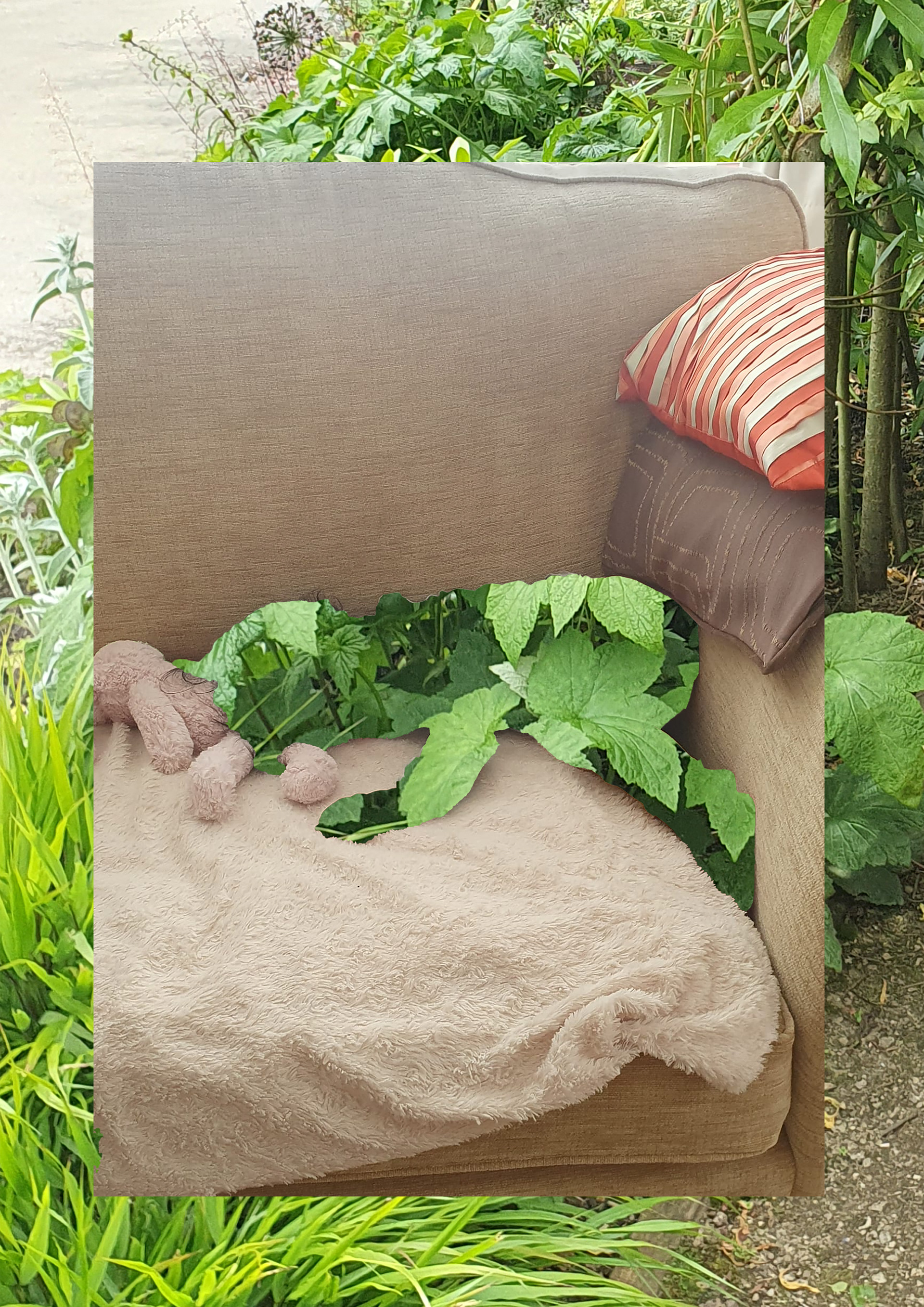
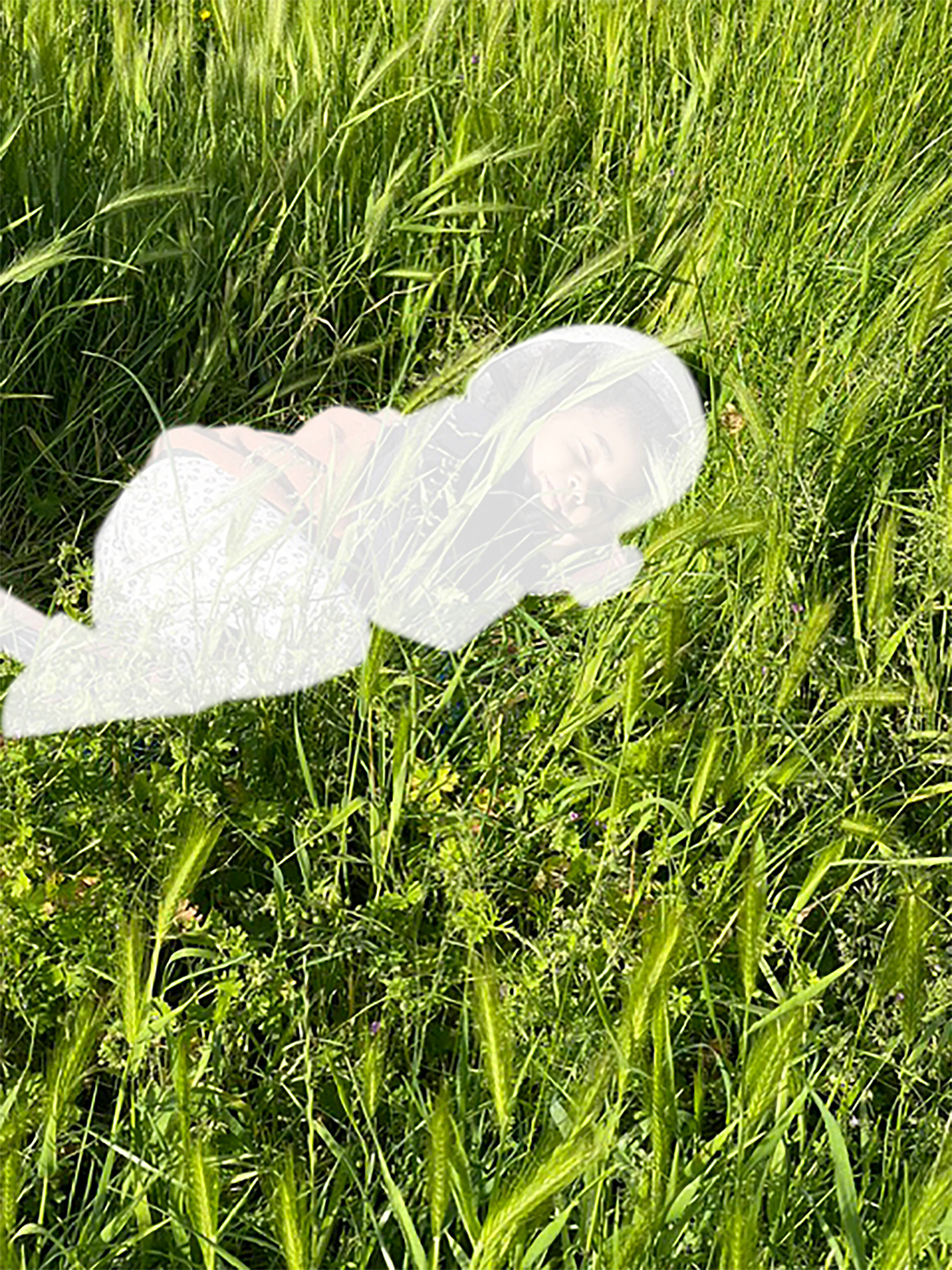
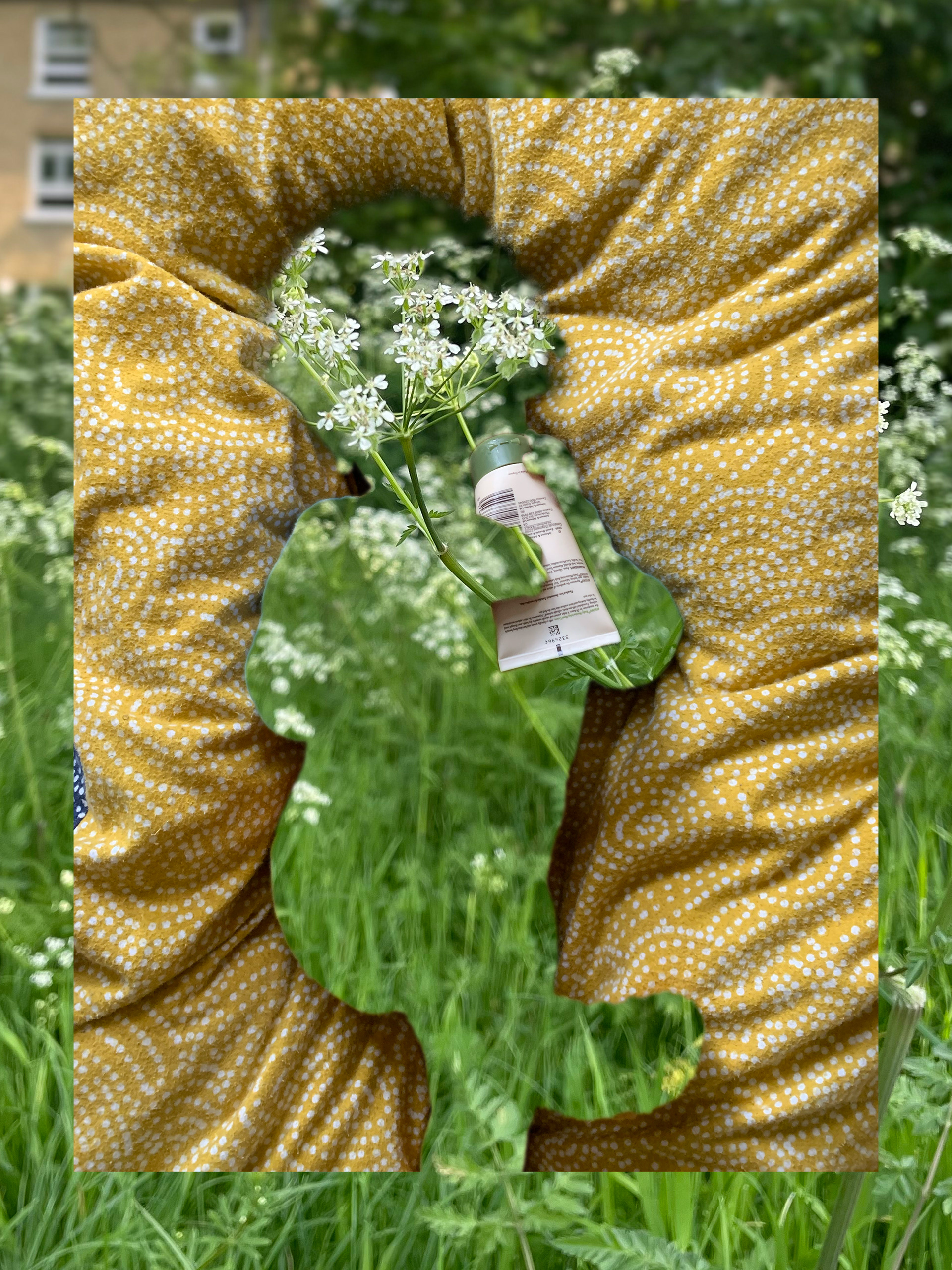
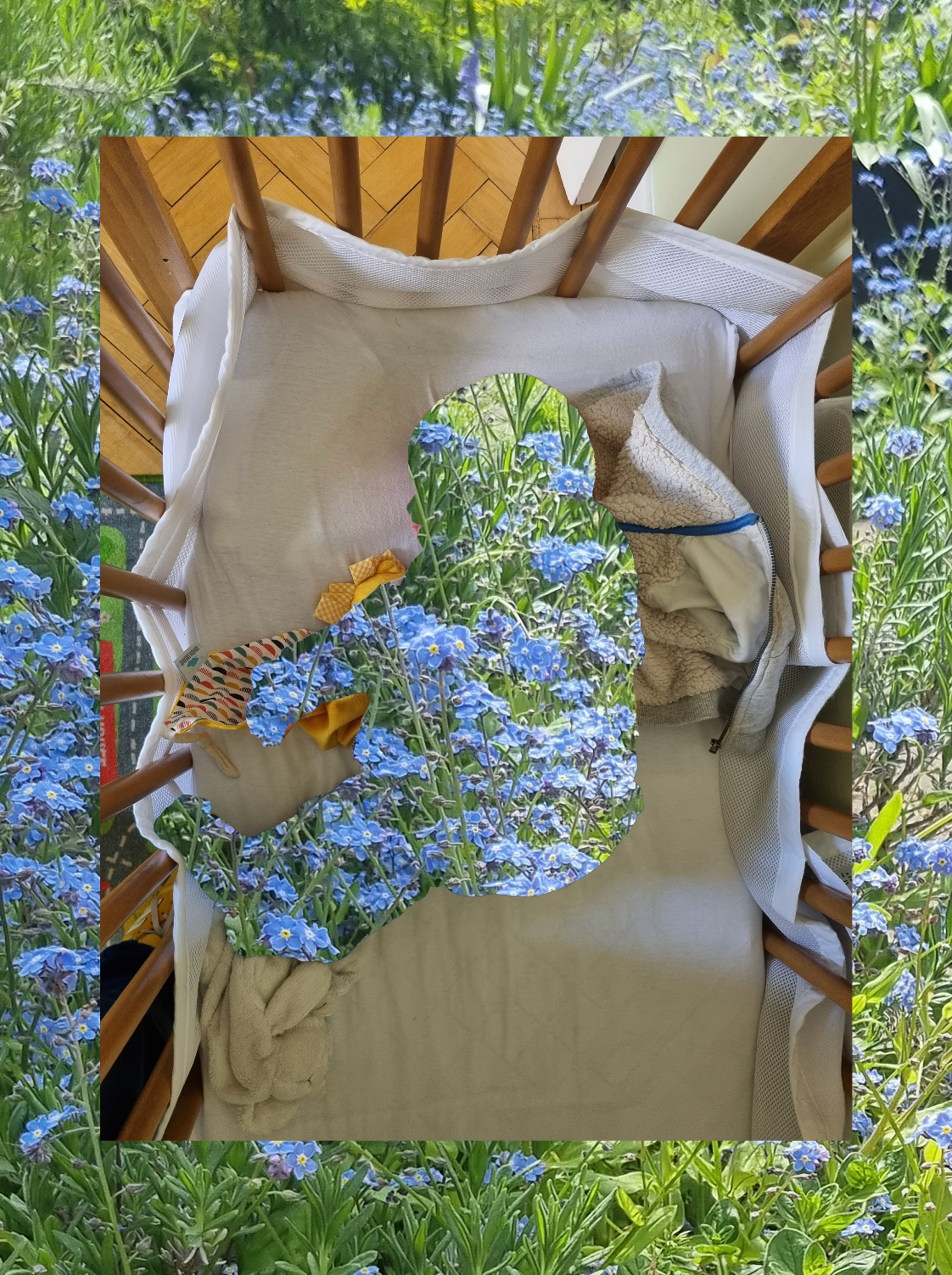
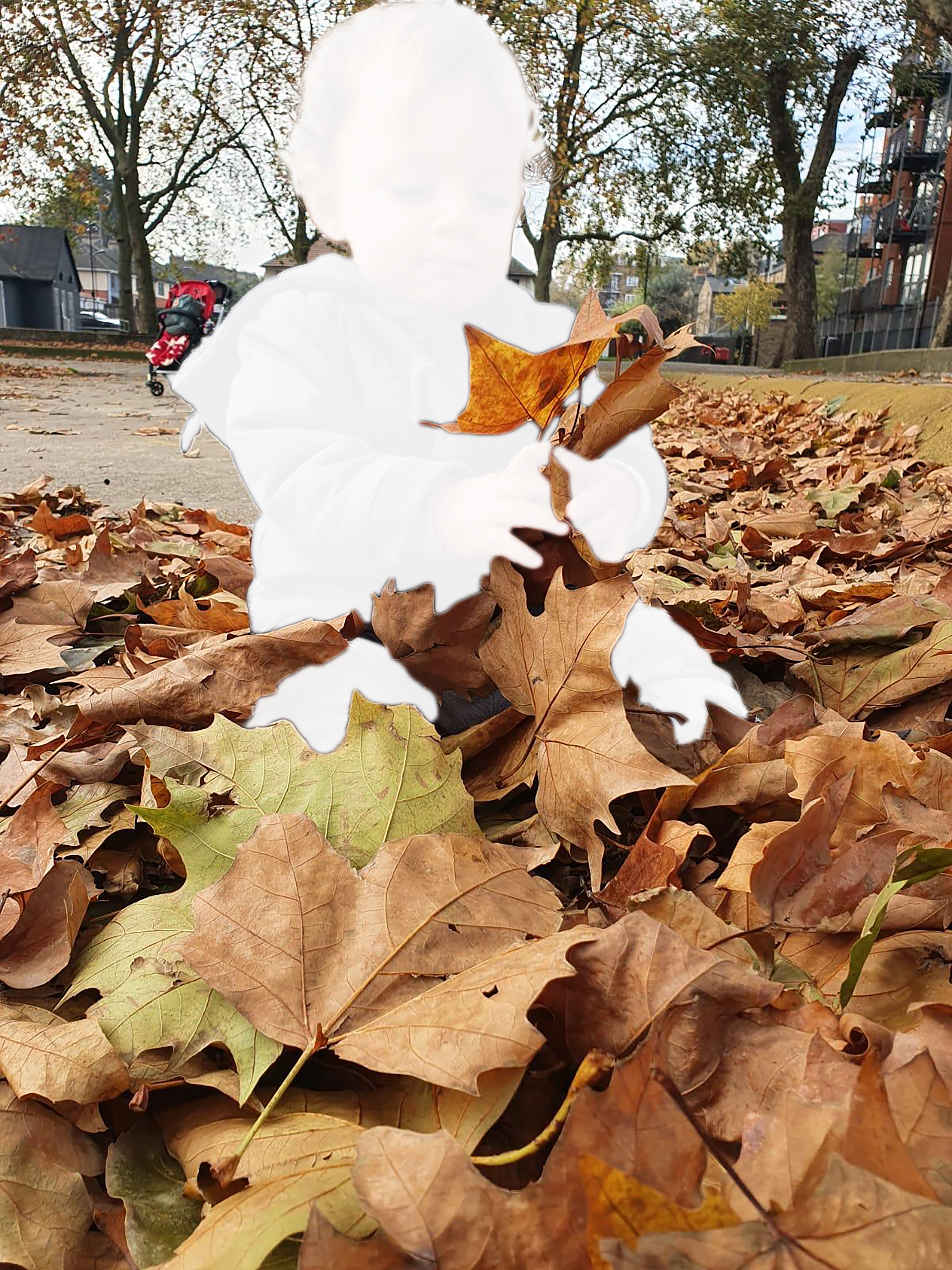
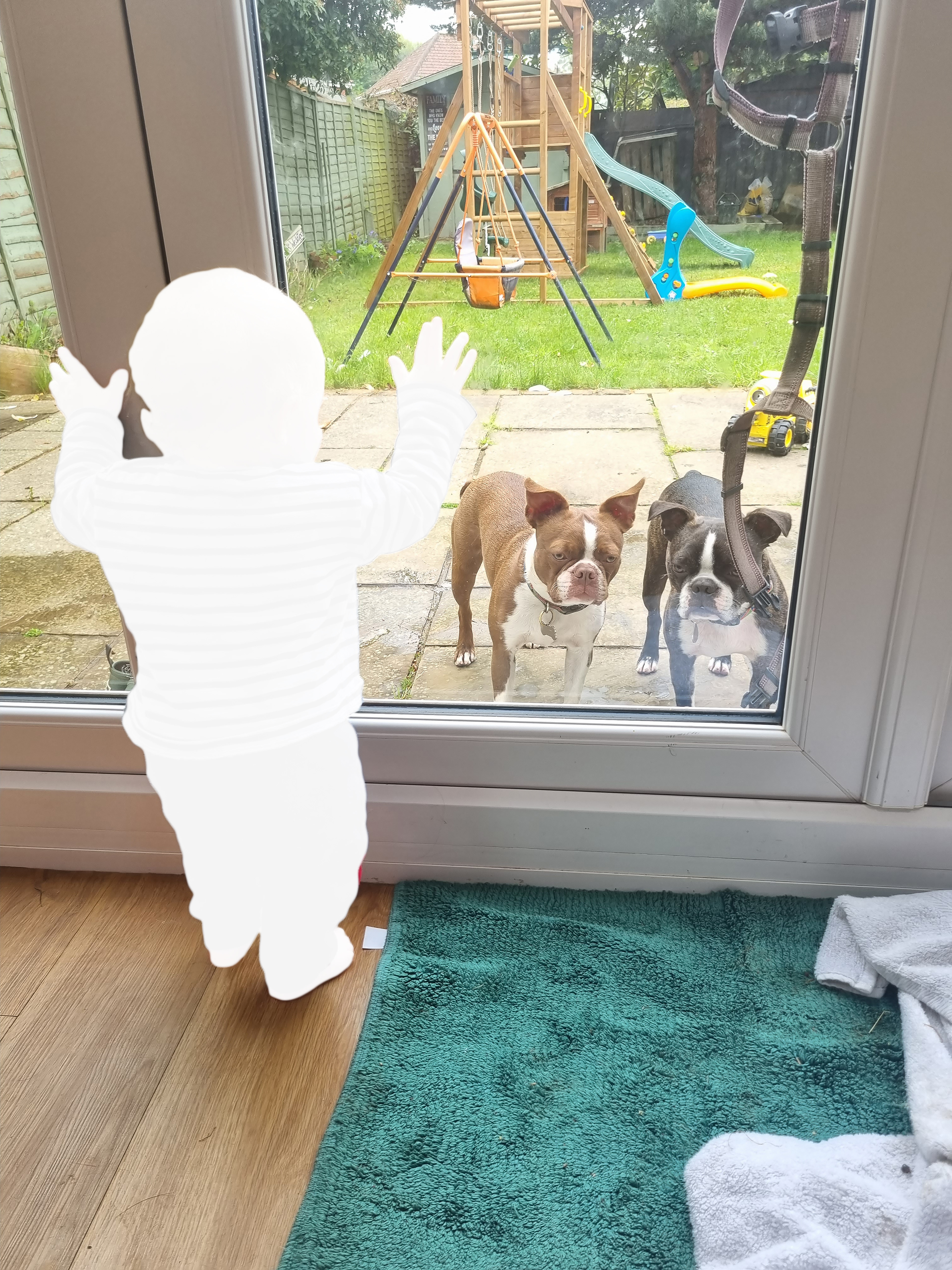
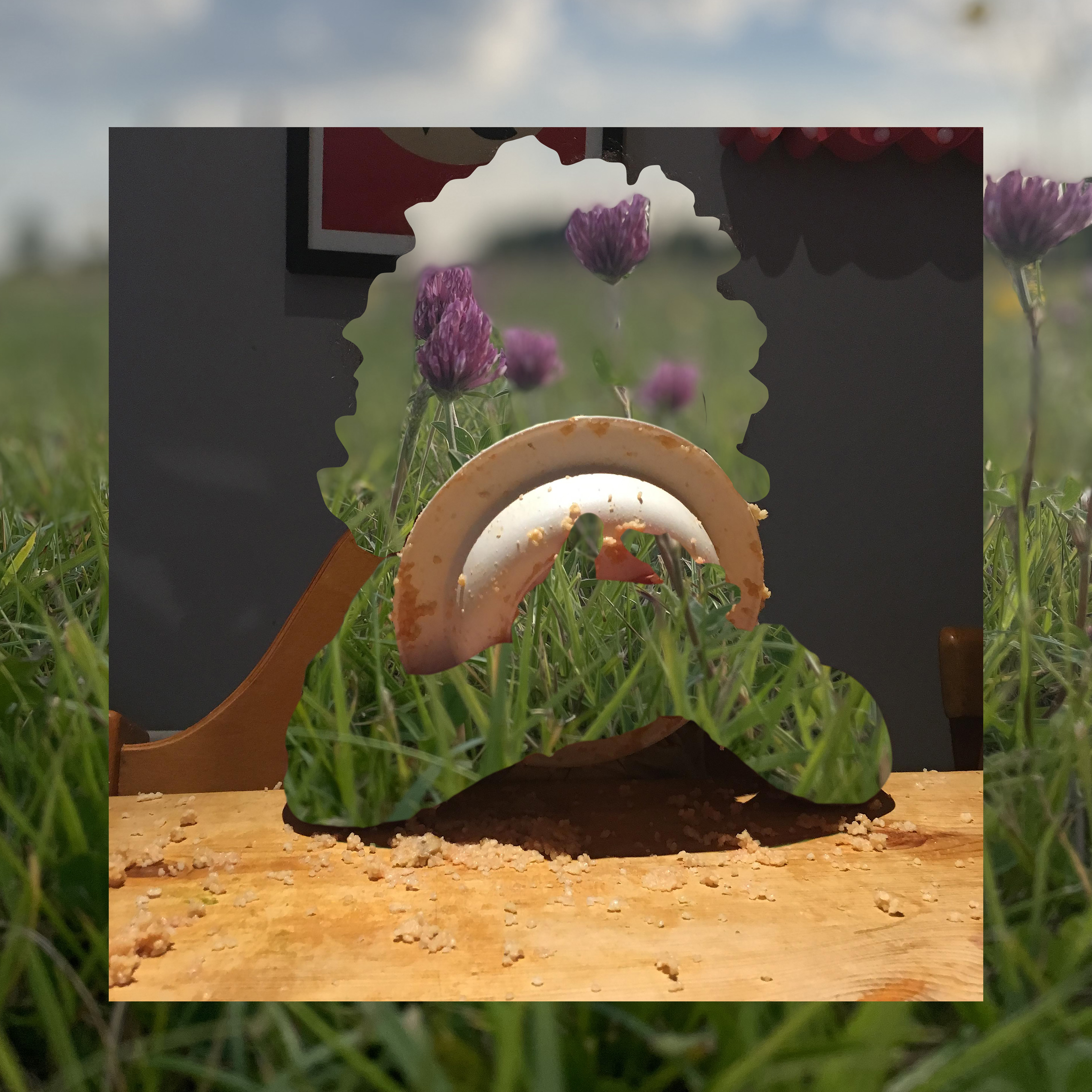
Working with photographs submitted by parents and caregivers, I created digital collages that physically separate children from their original indoor and outdoor environments. Each child’s figure was carefully extracted from its original context and re-situated within layered, hybrid landscapes that combine domestic interiors with natural elements such as leaves, grass, and flowers. In some images, however, the child remains absent altogether, leaving only a empty space where they once were.
This process operates on two levels: First, it acts as a visual metaphor for displacement, echoing how babies and toddlers are often treated as being “out of place” in public or natural environments. Second, it becomes an act of reclamation. By reintegrating the child’s body into reimagined landscapes, the work suggests that nature—and access to it— can not be neatly contained or controlled.
This body of work invites viewers to reflect on who outdoor spaces are designed for, and how cultural values influence the visibility and inclusion of the youngest members of society.
2025,